

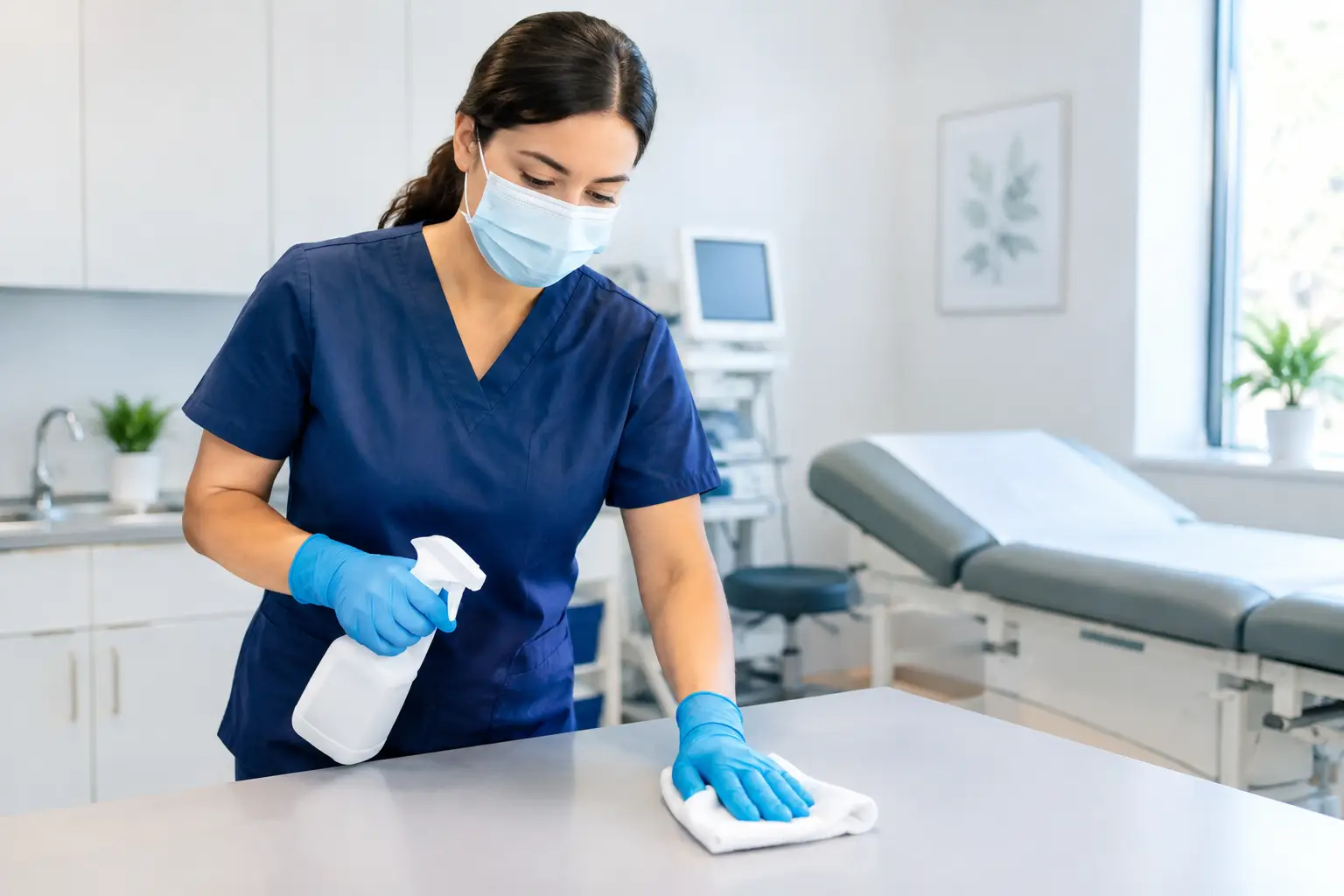
A clinic can look orderly at 8:00 a.m. and still create avoidable risk by noon. A full waiting room, back-to-back appointments, shared restrooms, and constant contact with doors, counters, and exam-room equipment put pressure on every cleaning program. The best cleaning practices for clinics are built around repeatable routines, clear accountability, and cleaning schedules that match how the facility actually operates.
For facility managers and clinic administrators, the goal is not simply a polished appearance. It is a clean, welcoming environment that supports patient confidence, protects staff, and allows care teams to focus on their work. That requires more than an after-hours wipe-down. It requires a documented process for cleaning, disinfecting, inspecting, and responding to changing conditions throughout the day.
Best Cleaning Practices for Clinics Start With Zones
Not every area in a clinic carries the same traffic level or sanitation need. A reliable program separates the facility into zones so the cleaning team can apply the correct process, frequency, tools, and products in each space.
Public-facing areas typically include entryways, lobbies, waiting rooms, reception desks, hallways, elevators, and public restrooms. These spaces shape a visitor’s first impression and collect a high volume of touchpoints. Clinical areas include exam rooms, treatment rooms, nurse stations, labs, medication areas, and staff workspaces. Administrative offices, break rooms, and storage areas also need attention, although their schedules may differ.
A zoning plan prevents a common problem: giving every room the same level of service regardless of use. An administrative office may need routine dusting, trash removal, and floor care, while an exam room may need cleaning and disinfection between patients according to the clinic’s protocols. The right frequency depends on patient volume, services provided, room turnover, and the facility’s infection-prevention requirements.
Separate Cleaning From Disinfecting
Cleaning removes visible soil, dust, organic material, and many germs from a surface. Disinfecting uses an approved product to kill or inactivate specified germs on a cleaned surface. These are related steps, but they are not interchangeable.
When surfaces are visibly soiled, cleaning must come first. Applying disinfectant over dirt or residue can reduce its effectiveness. Teams also need to follow the product label, including the required contact time. Wiping a disinfectant away immediately may leave the surface looking clean without completing the disinfection process.
Clinics should use products appropriate for healthcare settings and the surfaces being treated. EPA-registered disinfectants, used according to their labels, are commonly part of this process. Facility leaders should confirm compatibility with sensitive surfaces and equipment, particularly upholstery, screens, medical devices, and specialty flooring. When a manufacturer’s instructions or clinic protocols require a specific product or method, those directions take priority.
Build High-Touch Cleaning Into the Day
Nightly service is essential, but it cannot be the only line of defense in an active clinic. High-touch surfaces should be addressed throughout operating hours based on traffic and patient flow. This is especially important during busy appointment blocks, respiratory illness seasons, and periods of elevated community concern.
Key touchpoints include door handles, push plates, reception counters, check-in kiosks, pens, credit card terminals, chair arms, light switches, elevator buttons, handrails, restroom fixtures, and shared staff equipment. In clinical spaces, the list should reflect the room’s workflow and the clinic’s own infection-control procedures.
A day porter or scheduled daytime cleaning support can make a meaningful difference in larger facilities. This role keeps lobbies presentable, responds to restroom needs, removes spills promptly, replenishes supplies, and handles recurring touchpoint disinfection without interrupting patient care. For clinics with extended hours, the same principle may call for staggered cleaning shifts instead of one after-hours visit.
Use a Clean-to-Dirty, High-to-Low Workflow
The order of work matters. Cleaning teams should move from cleaner areas to dirtier areas and from high surfaces to low surfaces. This reduces the chance of carrying contaminants from a restroom, waste area, or heavily used public space into an exam room or reception area.
Color-coded microfiber cloths and mop heads help reinforce that separation. For example, a cloth assigned to restrooms should not later be used on reception counters. Microfiber is useful because it captures dust and debris effectively, but it must be changed, laundered, and stored correctly. Reusing soiled materials simply redistributes contamination.
Equipment should follow the same standard. Mops, vacuums, carts, and buckets need regular maintenance and cleaning. A professional team should arrive with organized supplies, maintain chemical labeling and safety data information, and use equipment that is in good condition. These operational details are easy to overlook, yet they often separate dependable cleaning from inconsistent service.
Protect Restrooms, Floors, and Waste Areas
Restrooms are a visible measure of a clinic’s overall standards. They require frequent inspection, cleaning, and supply replenishment, not just an end-of-day service. Toilets, sinks, faucets, dispensers, stall hardware, doors, and floors should be included in a clear checklist. Odor, empty soap dispensers, overflowing trash, and wet floors can quickly undermine patient confidence.
Floor care deserves equal attention. Entryways and corridors collect dirt, moisture, and debris that can travel throughout the clinic. Regular vacuuming, damp mopping, spot cleaning, and mat maintenance help protect both appearance and safety. During wet weather, more frequent attention may be needed to reduce slip risks.
Waste handling should be planned around the clinic’s waste streams. General office waste is different from regulated medical waste, sharps, or other materials governed by clinic policy and applicable requirements. A commercial cleaning provider should understand its assigned responsibilities, follow the facility’s procedures, and never treat regulated waste as ordinary trash.
Make Exam Room Turnover Consistent
In many clinics, room turnover is handled by clinical personnel between appointments, while a cleaning provider performs scheduled environmental cleaning after hours or during designated service windows. That division can work well when responsibilities are clearly defined.
The clinic should identify which surfaces staff clean between patients, which areas the cleaning team services, and what happens when an unexpected spill or contamination event occurs. Ambiguity causes missed tasks. A written room checklist creates consistency without forcing clinical staff to guess whether a surface has been addressed.
A good checklist is specific enough to be useful. Rather than stating “clean exam room,” it can identify approved touchpoints, waste removal, floor inspection, sink cleaning, and restocking responsibilities. It should also allow for room-specific needs. A pediatric treatment room, physical therapy area, and primary care exam room do not necessarily require identical service.
Train for Privacy, Safety, and Professional Conduct
Clinic cleaning requires more than familiarity with chemicals and equipment. Teams work around patient information, care schedules, sensitive conversations, and restricted areas. Training should cover privacy expectations, access procedures, hazard communication, bloodborne pathogen precautions where applicable, proper personal protective equipment, and incident reporting.
Professional conduct matters just as much. Cleaning staff should know where they may work, how to enter occupied spaces, who to contact when an issue arises, and how to minimize disruption. A team that understands the clinic’s hours and workflow can complete service efficiently without interfering with patient care or staff responsibilities.
This is one reason a facility walk-through before service begins is valuable. It gives the cleaning partner an opportunity to identify access points, floor types, sensitive areas, storage locations, traffic patterns, and facility-specific requirements. The resulting plan should be customized, not copied from a generic office-cleaning template.
Inspect the Work and Keep Communication Open
A clinic’s cleaning plan is only as reliable as its follow-through. Regular quality inspections, documented checklists, and a clear escalation process help ensure service remains consistent after the first few weeks of a contract.
Facility managers should be able to raise a concern, request an adjustment, and receive a timely response. Cleaning needs can change with patient volume, seasonal conditions, construction work, staffing changes, or expanded services. A provider that conducts ongoing oversight can adapt the plan before small gaps become recurring problems.
Colonial Commercial Cleaning approaches clinic environments with this level of accountability: an on-site assessment, a tailored scope of work, trained teams, and field management that keeps the service aligned with the facility’s standards. For clinics across Northern Virginia, Washington, D.C., and Maryland, dependable cleaning should feel organized, visible when needed, and quietly consistent the rest of the time.
A clean clinic reassures people before a word is spoken. When routines are documented, responsibilities are clear, and the cleaning team is held to a high standard, the facility is better prepared to provide the calm, professional experience patients and staff deserve.