

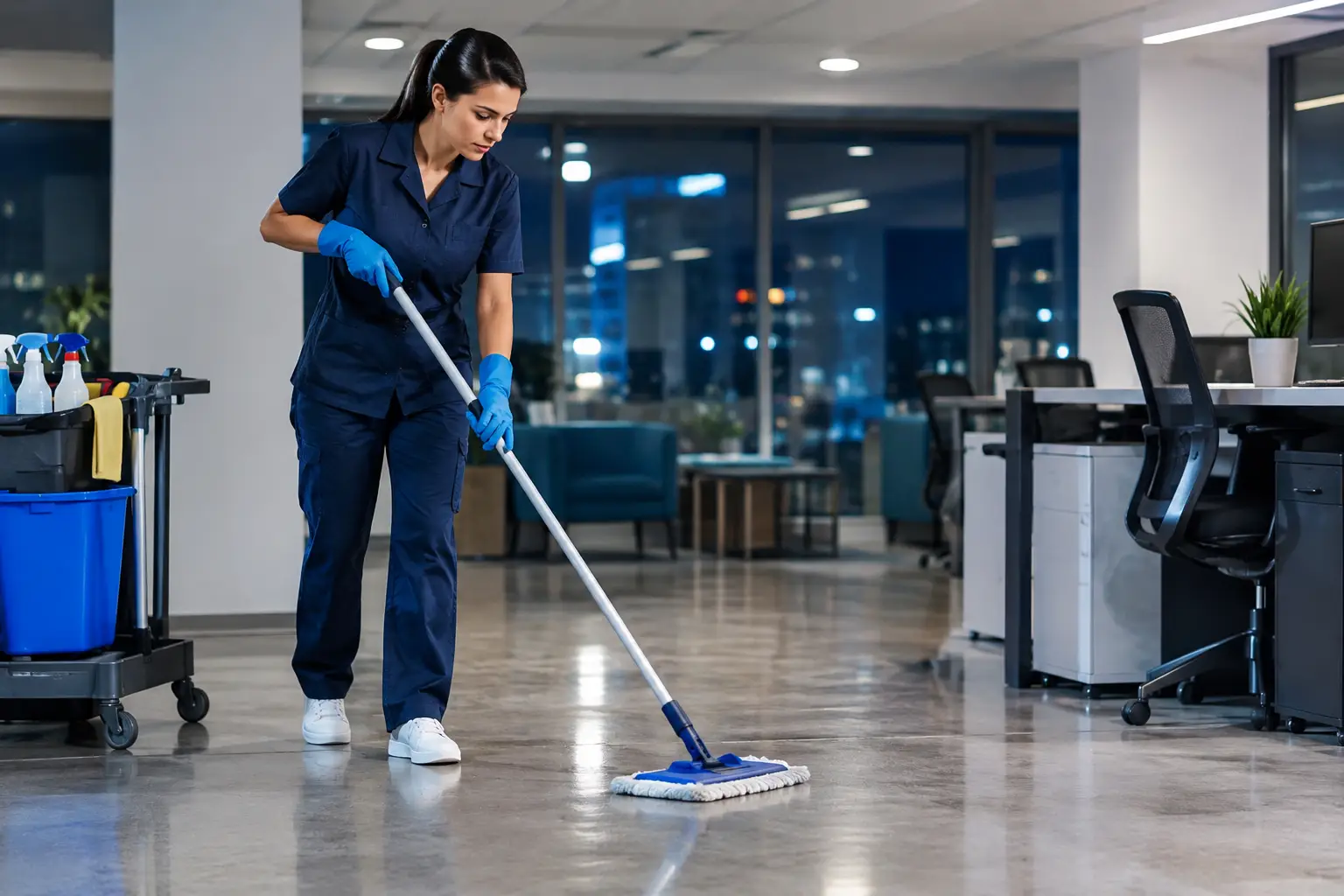
A busy facility rarely has a truly quiet hour. Offices may have late-shift employees, schools host evening programs, gyms see early-morning members, and healthcare settings operate around the clock. So, can cleaners work overnight? In many commercial properties, overnight cleaning is not only possible – it is the most practical way to maintain high standards without interrupting the people who use the space.
The right schedule depends on your building, occupancy patterns, security requirements, and cleaning scope. A dependable cleaning partner will not treat overnight service as a generic shift change. They will build a plan around how your facility actually operates, what must be cleaned, and what must be ready by opening time.
Can Cleaners Work Overnight Without Disrupting Operations?
Yes. Commercial cleaners can work overnight when the facility provides appropriate access, clear security procedures, and a defined scope of work. For many organizations, this schedule creates the least disruption because cleaners can perform detailed work after employees, visitors, students, or customers have left.
Overnight teams can vacuum and mop high-traffic floors, sanitize restrooms, remove waste, clean break rooms, replenish supplies, disinfect touchpoints, and address other recurring janitorial responsibilities without working around daytime activity. They may also have more time for periodic work, such as carpet cleaning, floor care, deep cleaning, and detailed disinfection.
That said, overnight service is not automatically the best choice for every building. A medical facility with continuous patient care, a hotel with overnight guests, or a 24-hour fitness center may need a hybrid plan. In those environments, a cleaning crew may complete routine service in lower-traffic areas overnight while handling visible touch-up cleaning during operating hours.
Why After-Hours Cleaning Works for Many Facilities
The main benefit of overnight cleaning is operational continuity. Daytime cleaning can be effective, but it often requires crews to work around meetings, visitors, classes, patient movement, or customer traffic. That can limit access to spaces and make a complete cleaning cycle more difficult.
When a building is less occupied, cleaners can move through the facility methodically. Floors can be cleaned without people walking through wet areas. Restrooms can receive a fuller reset. Vacuuming, trash removal, and other necessary tasks are less likely to interrupt calls, instruction, appointments, or guest experiences.
For property managers and facilities directors, this can also simplify presentation. The facility is cleaned before the next day begins, giving employees and visitors a polished, welcoming environment from the moment they arrive. In a bank, that supports client confidence. In a school or daycare, it supports a healthier setting for students and families. In a religious institution, it helps prepare the space respectfully for services, gatherings, and community use.
Overnight schedules may also support better outcomes for periodic projects. Carpet extraction, machine floor scrubbing, high-dusting, and deep cleaning often require more time than a standard daytime window allows. Completing this work after hours gives surfaces time to dry and allows the crew to work thoroughly rather than rushing around a building’s daily schedule.
What Must Be in Place Before Overnight Service Begins
A successful overnight program starts with planning, not simply handing over a key. Facility leadership and the cleaning provider should agree on access procedures, cleaning expectations, communication channels, and accountability measures before the first shift.
Secure Access and Clear Building Protocols
Cleaners need reliable, authorized access to the building and any areas included in the scope of work. Depending on the property, that may involve badges, keys, coded entry, visitor sign-in procedures, elevator access, alarm instructions, or a designated loading entrance.
Security requirements should be documented clearly. Crews need to know which doors must remain secured, which areas are restricted, where they can park, how to report an issue, and who to contact if an alarm, leak, power outage, or other unexpected condition occurs. This is especially important for healthcare facilities, financial institutions, schools, and properties with sensitive records or equipment.
A Detailed Cleaning Checklist
Overnight work should never mean invisible work. A written cleaning checklist creates a shared standard for restrooms, common areas, offices, trash removal, floors, break rooms, entrances, and specialized spaces. It also distinguishes nightly responsibilities from weekly, monthly, or seasonal tasks.
The checklist should reflect the facility’s actual priorities. A gym may require frequent locker room sanitation and touchpoint disinfection. A museum may require careful protocols around galleries and exhibits. A daycare needs attention to high-touch surfaces, restroom sanitation, and areas used by children. One general checklist rarely serves all of these settings well.
Field Management and Communication
Because most facility leaders are not present at 2:00 a.m., reliable oversight matters. An overnight cleaning program should include clear reporting and a process for quality control. Supervisors or field managers can inspect work, address missed items, coach team members, and communicate concerns before they become recurring problems.
Your provider should also make it easy to request adjustments. A board meeting, special event, flu outbreak, construction project, or schedule change may require additional service. With 24/7 client access and a responsive point of contact, facility teams can address those needs without waiting for the next business day.
Choosing the Right Overnight Cleaning Scope
Not every task needs to happen every night, and adding unnecessary service can increase costs without improving results. The most efficient plan combines daily essentials with a rotation of periodic tasks based on traffic, risk, and appearance standards.
For a typical office or administrative building, overnight service may focus on restrooms, waste removal, break rooms, lobby areas, vacuuming, hard-floor care, and touchpoint disinfection. High-traffic entrances and conference rooms may need extra attention on days when the building hosts visitors or events.
Schools, universities, and religious facilities often need schedules that follow calendar activity. A building may require increased cleaning during the academic year, after large services, or during seasonal programs. Summer or holiday breaks can be ideal times for more extensive carpet care, floor maintenance, and deep cleaning.
Healthcare and financial facilities require additional consideration. These properties may have stricter access controls, continuous occupancy, or sanitation-sensitive zones. In those cases, the cleaning plan should identify exactly which areas can be serviced overnight, which require daytime coordination, and what methods are appropriate for the environment.
Potential Challenges and How to Avoid Them
Overnight cleaning offers clear advantages, but it requires disciplined coordination. The most common problems are not caused by the shift itself. They result from unclear expectations, inconsistent staffing, poor access planning, or a provider that does not actively manage quality.
Noise is one consideration. Vacuuming, floor equipment, trash collection, and restroom servicing can disturb people in adjacent occupied spaces. This may affect mixed-use properties, hotels, healthcare environments, or buildings with residential neighbors. A practical plan may adjust task timing, use quieter equipment where appropriate, or reserve louder work for the least sensitive hours.
Another concern is access to locked offices, storage rooms, or specialty areas. If those spaces are included in the agreement but inaccessible overnight, they will not receive consistent service. Facility leaders should decide in advance whether cleaners will receive authorized access, whether certain rooms will be cleaned on a different schedule, or whether an internal staff member will coordinate entry.
Finally, overnight crews need the same training and accountability as daytime teams. A lower-visibility shift is not a reason to lower expectations. Look for trained professionals, documented procedures, reliable attendance, and active field management. Colonial Commercial Cleaning approaches overnight and after-hours service as part of a customized facility program, with cleaning checklists and oversight designed to keep standards consistent.
Is Overnight Cleaning Right for Your Building?
Overnight cleaning is often a strong fit for facilities that need three or more cleaning visits per week and want a clean, ready-to-use space each morning. It is particularly useful for offices, schools, banks, religious institutions, museums, gyms, and other properties where daytime activity makes thorough cleaning more difficult.
The decision should come down to operational needs, not habit. Review when your building is busiest, which spaces cannot be cleaned effectively during the day, what security measures are required, and which tasks need additional time. A facility assessment can turn those answers into a cleaning schedule that supports sanitation, appearance, and daily operations.
When the schedule is built around your people and your property, overnight cleaning becomes more than an after-hours task. It becomes a dependable way to start each business day with a cleaner, healthier, more professional environment.